
Australia is not a small country. It’s a simple fact, sure, but one that really matters when you’re planning your time on the water. In any given month, what is a perfect summer’s day in one region can be poor conditions just a few hundred miles away. Planning your yachting routes in Australia is not a trivial task.
Year-Round Considerations: Planning Beyond the Season
Even with perfect timing, there are a few constants that you should keep in mind when planning your trip. They’re basics, but easy to forget:
Weather windows aren't the same as the northern hemisphere. You can’t assume that December and January will be great in Queensland by default, for example. Check forecasts before departure, and be willing to tweak your plans.
Australia is vast; don’t underestimate distances, even if you’re experienced.
Services can vary wildly between regions. Don’t assume that just because you’re near a populated area that you will find everything you need. Plan fuel stops, stock up on supplies, and be ready to do your own emergency repairs.
Permits may be required in protected marine areas. This is especially true around reefs, which are currently under serious threat. Seek appropriate permits and be respectful of your surroundings.
Get insurance. Even with perfect prepping, things can go wrong. And Australia isn’t a cheap place, either. It is imperative to have adequate travel insurance with wide coverage in place, including medical issues or travel delays.
Dry Season (April to September): Whitsundays and Great Barrier Reef
First, a quick refresher on the seasons Down Under. It’s the opposite of what you may be used to in the United States or Europe, with the seasons running on ‘opposite’ sides.
December to February, is peak Australian summer. But, for northern Queensland, this is also the ‘wet season’ which brings tropical doupours, poor visibility and the potential for cyclones. This means dry season, or winter, is the best time for yachting.
The Whitsundays and Great Barrier Reef are classic destination you’ll find in travel guidebooks for good reason. In dry season you’ll experience:
Beautiful weather. You get those lush sunny days, paired with warm water that’s comfortable for swimming.
Water visibility is excellent. For snorkelling and diving, visibility is world-class. If you go around fringing reefs, marine life will be varied and like nothing else you’ve seen before.
Developed marinas and charter options. With easy access from Airlie Beach, the marinas and charter options are more than plentiful.
There is a downside, however. Towards wet season, or summer, the humidity can get uncomfortably high, which also means storm activity can increase. But if you’re used to Florida and Southeast Asia, you’re good.
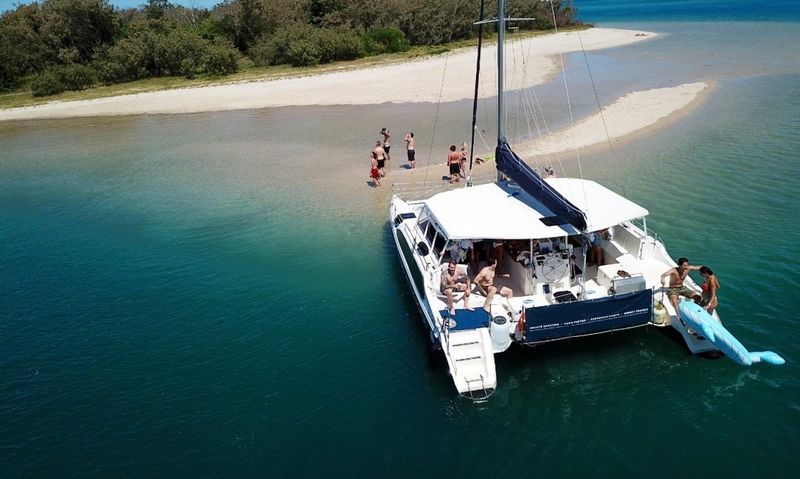
Summer (December to February): Tasmania and Southern Australia
For summer South Australia and Tasmania offer excellent yachting opportunities. In the southern parts of the country, the temperature is much cooler year-round. The summer months provide the warmest temperatures and longest daylight hours, making for a more enjoyable experience.
Tasmania feels real, not commercial, and 100% nature-driven. You will find rugged coastlines and quiet anchorages, where you will feel that you’re completely removed from modern life.
Mild temperatures during summer make it a comfortable yachting experience. That cold edge is gone, but you also won’t get the humidity of the summer months.
Wildlife is a highlight, something that’s true in most of Australia. Here, you will find seals, seabirds, and even dolphins, depending on where you go.
Autumn (March to May): Kimberley Coast, Western Australia
For autumn, the answer is Kimberley Coast in Western Australia. Be warned: this is remote and raw, not for beginners. But if you time it right and take proper precautions, it’s an unforgettable trip:
Sheer scale. Everything is huge in Western Australia. You have massive tides and waterfalls that run directly into the sea. You’ll feel like you’re on a movie set.
Wildlife is stunning. You will see migrating birds, dolphins, saltwater crocodiles, and many other species. If you’re into wildlife, bring extra memory cards for your camera.
Spring (September to November): Sydney Harbour and New South Wales Coast
Sydney Harbour is active year-round, but spring offers blue skies and a buzzy atmosphere. Here’s what is in store:
The conditions are more stable during spring, and you will get that crisp air and clear skies. And not to mention, fewer crowds.
Wildlife opportunities are still very much present and unique, with whale migration season running along the NSW coast. You may also get to see humpbacks, which are often visible offshore.
Coastal towns like Pittwater and Port Stephens are great options for a quiet coastal town experience, especially during this quiet season.
Timing + Location Combinations Change Everything
Australia doesn’t have a single perfect yachting season, or a ‘must-visit’ location. The country is large and varied, with many options depending on when you want to go and the type of experience you’re looking for. Plan for both and you’ll find conditions that are perfect for a top-notch yachting experience.





 4.9 out of 5! 500,000+ reviews