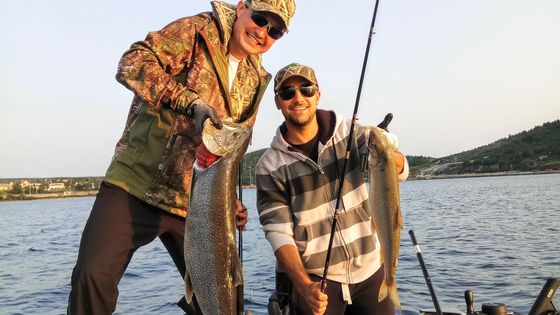
Canada offers some of the most productive fishing waters in the world. From Pacific salmon runs in British Columbia to trophy walleye in the Canadian Shield and Arctic char in the Far North, the country’s freshwater lakes, rivers, and coastal fisheries draw anglers from across the globe. Whether you’re planning a weekend trip or a bucket-list fly-in adventure, understanding where to go, when to fish, and how regulations work will help you make the most of your experience.
The Best Fishing Regions in Canada
British Columbia
On the West Coast, British Columbia is synonymous with salmon. The Fraser River is one of the most famous salmon rivers in the world, offering seasonal runs of chinook (king), sockeye, coho, and pink salmon. It’s also well known for white sturgeon, some of which exceed 10 feet in length.
Further north, the Skeena River system provides remote, wilderness fishing for steelhead and salmon. For saltwater anglers, Vancouver Island delivers consistent action for chinook salmon, halibut, and lingcod, with productive waters accessible from ports like Victoria, Ucluelet, and Tofino.
Interior lakes such as Kootenay Lake are known for trophy Gerrard rainbow trout and kokanee salmon, making the region a year-round destination.
Alberta
Alberta’s Bow River, flowing through Calgary, is widely regarded as one of North America’s premier trout fisheries. Anglers target wild rainbow and brown trout on guided float trips, particularly from late spring through early fall.
Northern Alberta’s lakes, including Cold Lake, offer excellent walleye, northern pike, and lake trout fishing, especially during the open-water season and through the ice in winter.
Ontario
Home to more than 250,000 lakes, Ontario anchors Canada’s freshwater fishing reputation. Lake of the Woods is legendary for walleye, muskie, northern pike, and smallmouth bass. Its maze of islands and bays makes it ideal for both guided trips and houseboat fishing adventures.
Lake Nipissing and the French River system are classic Canadian Shield fisheries known for consistent walleye and pike action. Meanwhile, the Great Lakes—particularly Lake Erie and Lake Ontario—support thriving charter industries targeting walleye and Pacific salmon.
Manitoba and Saskatchewan
In Manitoba, Lake Winnipeg produces some of the largest walleye in the country, along with trophy northern pike. Saskatchewan’s Reindeer Lake is famous for giant lake trout and remote fly-in experiences. These provinces are known for full-service lodges that cater to anglers seeking wilderness settings and high catch rates.
Quebec and Atlantic Canada
Quebec’s Lac Saint-Jean is known for landlocked Atlantic salmon, while its managed river systems offer world-class fly fishing. In New Brunswick, the Miramichi River remains one of the most storied Atlantic salmon rivers in North America.
AcrossNova Scotia and Newfoundland and Labrador, anglers pursue brook trout, Atlantic salmon, striped bass, and seasonal offshore species including cod and tuna.
Northern Canada
For anglers seeking true wilderness, the Northwest Territories and Nunavut offer pristine waters with minimal fishing pressure. Great Bear Lake is renowned for enormous lake trout, while Arctic rivers and coastal inlets hold Arctic char during summer months. Most trips to these regions are fly-in lodge experiences.
Best Seasons to Catch Popular Species
Fishing seasons vary by province and species, but general timing patterns apply across much of the country.
Walleye fishing peaks in late spring and early summer after spawning, with another strong window in early fall. Northern pike are aggressive in spring and again in fall as water temperatures cool.
Smallmouth and largemouth bass fishing is strongest during summer months, typically from late June through August, depending on regional season openings.
Trout fishing varies by species. River trout are productive in spring and fall, while lake trout move into shallower water in fall, making them more accessible to anglers.
Pacific salmon runs in British Columbia typically begin in late spring and extend into fall, depending on species. Atlantic salmon in eastern Canada are most active during summer runs.
Ice fishing is widely practiced from December through March in provinces such as Ontario, Manitoba, Saskatchewan, and Quebec, targeting perch, walleye, pike, and lake trout.
Because seasons and quotas are tightly regulated, always confirm local opening and closing dates before planning your trip.
Fishing Licenses and Regulations
Fishing in Canada requires a valid license issued by the province or territory where you are angling. Regulations are managed provincially, meaning rules in Ontario differ from those in British Columbia or Quebec.
In British Columbia, anglers need separate licenses for freshwater and tidal (saltwater) fishing. Certain species, such as steelhead or salmon, may require additional conservation stamps.
In Ontario, most anglers require an Outdoors Card along with either a sport or conservation fishing license. Regulations specify catch limits, slot sizes, and season dates by fisheries management zone.
Quebec divides its waters into numbered zones, each with its own rules. Some controlled harvesting zones require anglers to book through an outfitter.
Bag limits, size restrictions, gear rules (including barbless hook requirements in some provinces), and seasonal closures are strictly enforced. Fines for non-compliance can be significant. Regulations are updated annually, so consult the relevant provincial ministry website before your trip.
Non-residents generally pay higher licensing fees and may face additional rules in certain remote or controlled areas.
Booking Fishing Charters in Canada
Charters are widely available across the country and range from half-day lake trips to multi-day offshore or fly-in expeditions.
In British Columbia, saltwater charters departing from Vancouver Island are among the most popular in Canada, targeting salmon and halibut. Summer is peak season, and booking well in advance is recommended.
On the Great Lakes in Ontario, charter captains operate out of ports along Lake Erie and Lake Ontario, specializing in walleye and salmon. These trips are ideal for anglers who want access to offshore structure and professional-grade equipment.
Remote lodges in Manitoba, Saskatchewan, and the Northwest Territories offer all-inclusive packages that include accommodations, meals, boats, and guides. These trips typically run from June through early September.
When booking a charter, confirm that the captain holds proper provincial licensing and carries commercial insurance. Ask about included gear, fish cleaning services, and cancellation policies. Weather conditions can affect offshore and northern trips, so flexibility is important.
Planning Your Trip
Canada’s size means travel logistics matter. Many of the country’s best fisheries are located hours from major airports, and remote destinations may require floatplane access. Factor in seasonal weather, as conditions can vary widely between provinces.
For the broadest access to species and comfortable weather, late spring through early fall is the most versatile window. If trophy fishing is your priority, consider targeting specific seasonal peaks—such as fall lake trout, summer salmon runs, or spring walleye.
With proper planning and an understanding of regional regulations, Canada offers fishing experiences that range from accessible weekend charters to once-in-a-lifetime wilderness adventures. Book a fishing charter on Getmyboat in your favorite Canadian destination and get ready to make the catch of a lifetime.







 4.9 out of 5! 500,000+ reviews