Key Takeaways
- Speedboat charters start around $70 per hour, putting a half-day reef trip within reach even on a modest budget.
- The wet southwest monsoon (June–October) is actually prime whale shark and manta season on the western atolls, despite lower prices.
- A local captain handles reef navigation, tide-dependent sandbank timing, and all operator paperwork — visitors booking captained charters need no licence or permit.
- Hanifaru Bay in Baa Atoll is a protected marine reserve with strict visitor rules, making it one of the world's most famous manta ray aggregation sites.
- Water temperatures hold at 27–30°C year-round, and visibility on a calm day can exceed 30 metres across the reefs.
- Alcohol and jet ski hire are typically unavailable on local inhabited islands, but a captained charter can take you offshore for both.
The Maldives is a chain of nearly 1,200 coral islands scattered across 26 atolls in the Indian Ocean, and a boat is often the only way to reach the best snorkeling, dive sites, and empty sandbanks. This guide covers what to book, what it costs, and how to plan your days on the water.
Why you'll want a boat in the Maldives
There are no bridges connecting most of the Maldives. The islands sit in ring-shaped atolls separated by deep channels, and the reef passes between them are where the marine life gathers. If you're staying on a resort island or a guesthouse on a local island, almost everything worth doing — a manta cleaning station, a shipwreck dive, a sandbank barbecue — starts with a boat ride out.
The capital, Malé, and the airport island of Hulhumalé sit in the central North Malé Atoll, which is where most trips begin. From there, distances add up fast. A day trip to a good snorkeling reef might be 30 minutes by speedboat; a whale shark spot in South Ari Atoll could be a couple of hours or an overnight run. That's why the boat you choose shapes the whole trip, not just a single afternoon.
For a first-time visitor, this is also why a local captain matters. Reef navigation in the Maldives depends on reading tides, currents through the passes, and shallow coral heads that don't show on charts. A captain who works these waters every week knows which sandbank is above water at low tide and which reef is holding fish today. Book the captain, and you skip the licence, the local knowledge, and the guesswork.
Types of boats you can book
Four boat types cover almost every Maldives trip: the traditional dhoni, the speedboat, the private yacht, and the multi-day liveaboard. Each suits a different pace and group size, and you can book all four through a marketplace rather than piecing them together through separate operators (Getmyboat).
| Boat type | Best for | Typical group size | What to expect |
|---|---|---|---|
| Sailing or motor dhoni | Relaxed day cruises, snorkeling, fishing | 2–15 | Slow, shaded, classic Maldivian wooden boat |
| Speedboat | Fast transfers, day trips, water sports | 2–12 | Quick reef access, open or canopied deck |
| Private yacht | Multi-day cruising in comfort | 4–12 | Cabins, crew, catered meals aboard |
| Liveaboard | Diving-focused multi-day trips | 8–25 | Sleep aboard, reach remote atolls |
Dhoni cruises (sailing and motor)
The dhoni is the traditional Maldivian boat, built for centuries from coconut timber and now usually fitted with a diesel engine. Dhoni cruises are the easygoing choice: broad decks, shade, and a steady pace that suits families and anyone who wants to snorkel, fish a little, and watch the sun go down without rushing. Sailing dhonis still exist for the romance of it, but most working boats are motor dhonis.
Speedboats and day rentals
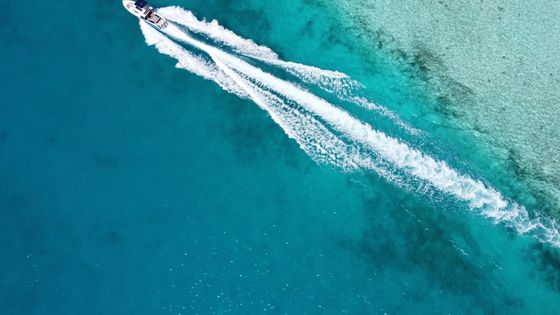
Speedboats are the workhorses of the Maldives. They handle airport and resort transfers, but as a rental they open up the day-trip circuit — reaching two or three reefs, a sandbank, and a dolphin spot in a single outing. Rentals in the Maldives start around $70 per hour, so a half-day speedboat charter is within reach even on a modest budget.
Yacht charters and liveaboards
For longer trips, a private yacht charter lets you move between atolls and sleep aboard in a cabin, with crew handling the cooking and navigation. Liveaboard boats are the diving world's favorite: they run set itineraries through dive-rich atolls like South Ari and Baa, putting you on remote sites you'd never reach on a day trip. Superyacht charters through the Maldives are also well established for larger groups and higher budgets.
What a boat trip costs in the Maldives
Prices depend on the boat, the season, and whether a captain and fuel are included. Most captained trips bundle crew and fuel into the quoted rate; always confirm before booking. The figures below are typical ranges for planning.
| Option | Typical price (USD) | Duration | Captain included |
|---|---|---|---|
| Speedboat rental | From $70/hr | 1–4 hours | Usually yes |
| Half-day dhoni cruise | $200–450 | 4 hours | Yes |
| Full-day charter | $400–900 | 8 hours | Yes |
| Private yacht (crewed) | $1,500–5,000/day | Full day+ | Yes |
| Liveaboard (per person) | $150–350/night | 3–10 nights | Yes |
There's a separate cost that only applies if you're bringing your own foreign yacht into Maldivian waters rather than booking locally. A cruising permit for boats under 15 metres is free, while larger boats pay a permit fee plus a per-day cruising charge, and foreign vessels must clear in at one of the designated ports — Uligan in the north, Malé in the centre, or Gan in the south. For the vast majority of travelers who book a captained local boat, none of this applies; the operator handles all the paperwork.
Things to see and do by boat
The Maldives is a marine destination first. Almost every signature experience — the reefs, the big pelagics, the deserted sandbanks — happens on or under the water. Here are the ones worth building a day around:
- Snorkeling reefs in shallow, warm water with year-round visibility.
- Manta rays feeding at cleaning stations and plankton blooms.
- Whale sharks, the world's largest fish, cruising the atoll edges.
- Island hopping between local islands, resorts, and uninhabited cays.
- Sandbank picnics on bright strips of sand that appear at low tide.
- Sunset cruises with a good chance of spinner dolphins riding the bow.
Snorkeling and diving the reefs
The coral reefs are the main event. Water temperatures sit around 27–30°C year-round, and visibility on a calm day can top 30 metres. Diving in the Maldives ranges from gentle reef drifts for beginners to fast channel dives where sharks and eagle rays hang in the current. Many day boats carry masks, fins, and snorkels, but confirm gear and whether a guide is included when you book.
Manta rays and whale sharks
Two encounters draw people from around the world. Manta rays gather at cleaning stations and feed in plankton-rich water — Hanifaru Bay in Baa Atoll is the most famous aggregation, protected as a marine reserve with strict visitor rules (US News Travel). Whale sharks are most reliably seen along the southern edge of South Ari Atoll, where they feed year-round. Both are swim-alongside experiences, not touch-and-hold, and a good captain will position the boat and brief you on the etiquette.
Island hopping and sandbank stops
Between the marine life, the joy of a Maldives boat day is simply moving between islands. You can visit an inhabited local island for lunch and a look at village life, then anchor off a bare sandbank for swimming and photos. Atoll anchorages in calm lagoons make natural lunch stops, and a captain will know which sandbanks are above water given the day's tide.
Fishing and water sports on the water
The active side of a Maldives trip splits into fishing and adrenaline sports, and both are easy to add to a charter. Fishing here has deep roots — the country's economy was built on the pole-and-line tuna fishery — and traditional handline fishing is still the classic evening outing.
- Big-game fishing for tuna, wahoo, sailfish, and marlin in the deep channels.
- Traditional handline (night) fishing for snapper and grouper close to the reef.
- Jet skis and towable tubes, usually offered off resort islands.
- Wakeboarding and water skiing behind a speedboat in a calm lagoon.
- Kitesurfing and windsurfing, best during the windier months.
One thing to plan around: activities differ between resort islands and local islands. Resorts run their own water-sports centres with jet skis and wakeboards on tap. Local islands, governed by local customs, keep a more modest tone, so jet ski hire and alcohol are typically tied to nearby resorts or offshore boats rather than the island itself. A captained charter can bridge the gap by taking you out to open water for the activity, then back for the night.
When to go and what to know before booking
The Maldives has two monsoon seasons. The dry northeast monsoon, roughly December to April, brings calm seas, sunshine, and the best underwater visibility. The wet southwest monsoon, May to November, is greener, quieter, and cheaper, with more wind and occasional storms — but it's also prime whale shark and manta season on the western atolls thanks to the plankton the rains stir up.
| Season | Months | Conditions | Best for |
|---|---|---|---|
| Dry (NE monsoon) | Dec–Apr | Calm seas, clear water, peak sun | Snorkeling, diving, family trips |
| Shoulder | May, Nov | Mixed, fewer crowds | Value bookings, flexible plans |
| Wet (SW monsoon) | Jun–Oct | Windier, greener, more rain | Manta blooms, surfing, lower prices |
A few practical rules matter before you book. On local (inhabited) islands, modest dress is expected away from the tourist beaches, and alcohol is prohibited — you'll only find it at resorts, on some safari boats, or offshore. If you plan to bring your own foreign yacht, you must clear in at Uligan, Malé, or Gan and hold a valid cruising permit before moving between atolls. Booking a captained local boat sidesteps all of it — no licence, no permit, no clearance on your end.
How to book your Maldives boat with Getmyboat
Getmyboat is a marketplace, so you can compare dhonis, speedboats, yachts, fishing charters, and diving trips from local owners and captains in one place, then message and pay through the platform. Here's the flow:
- Search your area. Start with Malé or Hulhumalé, or search the Maldives broadly to see what's available across the atolls.
- Filter by trip type. Choose a category — yacht rentals, fishing charters, diving trips, or general tours — to narrow to boats set up for what you want.
- Check captained vs bareboat. Most Maldives listings are captained, which is what you want as a visitor. Bareboat options exist but require the right licence and local navigation confidence.
- Message the owner. Ask about group size, gear, included food and drinks, and pickup point before you commit.
- Book and pay in-app. Confirm the date, send the request, and keep all communication and payment inside the platform.
For a fishing-focused day, look at the Malé fishing charter listings; for the reefs, filter to diving trips; and for a comfortable multi-day cruise, browse the yacht rentals. Booking with a local captain means someone who knows this week's manta sightings and the tide-dependent sandbanks is planning your day for you.
Frequently Asked Questions
What is the best time to visit the Maldives for boating?
The dry northeast monsoon (December–April) offers the calmest seas and clearest underwater visibility, making it the top choice for snorkeling and diving. However, the wet southwest monsoon (June–October) brings lower prices and is prime season for manta ray and whale shark encounters on the western atolls, thanks to plankton-rich water.
What types of boats can I rent in the Maldives?
You can rent four main types: the traditional wooden dhoni for relaxed day cruises, a speedboat for fast reef day trips, a crewed private yacht for multi-day comfort, or a liveaboard for diving-focused itineraries reaching remote atolls. Group sizes range from 2 people on a speedboat up to 25 on a liveaboard.
What are the boating regulations and clearance requirements in the Maldives?
Visitors booking a captained local boat need no licence or permit — the operator handles all paperwork. Foreign yacht owners bringing their own vessel must clear in at one of three designated ports (Uligan, Malé, or Gan) and hold a valid cruising permit; boats under 15 metres receive the permit free, while larger vessels pay a fee plus a daily cruising charge.
How do captains navigate the Maldives reef passes and atolls?
Reef navigation in the Maldives relies on reading tides, currents through atoll passes, and shallow coral heads that don't appear on standard charts. Local captains who work these waters regularly know which sandbanks are above water at low tide and which reef passes are safe on a given day — knowledge that takes years of local experience to build.




 4.9 out of 5! 500,000+ reviews