Key Takeaways
- Captained charters cost 30–50% more than bareboat rentals but provide local knowledge of tidal patterns, dolphin feeding spots, and seasonal sandbars that transform your experience.
- South Carolina requires a Boater Education Card for anyone born after June 30, 1982 to operate a motorized vessel, but captained charters require no license from passengers.
- Calibogue Sound and Daufuskie Island are the standout destinations—dolphins are nearly guaranteed in warmer months, and Daufuskie's Gullah history and car-free beaches reward the 25–30 minute boat ride.
- Strand feeding, a dolphin behavior unique to this region where dolphins beach themselves to feed on herded fish, can be timed by captains who know the tidal cycles.
- Summer rates run 20–30% higher than off-season and book out weeks in advance; spring and fall offer better availability and often superior wildlife viewing conditions.
Hilton Head Island's calm waters, abundant wildlife, and nearby islands make it one of the Southeast's best boating destinations. Whether you want a captain to handle navigation while you relax or prefer steering your own course, renting a boat here opens up dolphin watching, fishing, island hopping, and sunset cruises — all within a day trip from the marina.
Bareboat vs. captained charters: which rental fits you
The first decision every renter faces is simple: do you want to drive, or do you want someone else to? Both options are widely available on Hilton Head Island, and the right choice depends on your experience level, group size, and what you actually want to do out there.
A bareboat rental hands you the keys and the responsibility. You plan the route, navigate the channels, and handle everything from docking to anchoring. That independence is appealing if you've boated before and want to explore at your own pace. A captained charter, by contrast, puts a licensed local professional at the helm. The captain handles all navigation, knows where the dolphins are feeding that morning, and can adjust the itinerary on the fly if the wind picks up. You show up, step aboard, and enjoy the ride.
Cost is a real factor. Captained charters typically run 30–50% more than comparable bareboat rentals, but that premium buys local knowledge that's hard to replicate on your first visit to these waters.
| Bareboat rental | Captained charter | Best for | |
|---|---|---|---|
| Who drives | You | Licensed captain | Bareboat: experienced boaters; captained: everyone else |
| License required | Yes (or proof of competency) | No | Captained charters work for complete beginners |
| Typical cost | $300–600/day | $500–900/day | Bareboat is cheaper; captained adds expertise |
| Navigation | Your responsibility | Captain handles it | Captained is easier in unfamiliar channels |
| Local knowledge | Limited | Extensive | Captained charters unlock insider spots |
| Group experience | Self-directed | Guided, curated | Captained is better for special occasions |
Do you need a boating license to rent in Hilton Head?
South Carolina's rules are specific, and getting this wrong can mean a fine or a canceled trip. Here's what you need to know before you book a bareboat rental on Hilton Head Island.
South Carolina boating license rules
South Carolina requires anyone born after June 30, 1982 to carry a South Carolina Boater Education Card to operate a motorized vessel. The card is issued after completing an approved boater safety course — the South Carolina Department of Natural Resources offers a free online option that most people complete in a few hours.
Age also matters. Operators must be at least 16 years old to rent and drive a motorized boat without supervision. Riders of any age are welcome aboard.
Proof of competency alternatives
If you hold a valid boating license from another US state, South Carolina recognizes it for reciprocal purposes. International visitors may be asked to show a boating qualification from their home country. Some rental operators on Hilton Head Island also offer a brief on-the-water orientation that satisfies their internal competency check, though this doesn't replace the state card requirement for those born after June 30, 1982.
For a captained boat rental, none of this applies to you as a guest. The captain carries all required credentials, and you simply enjoy the trip.
Key things to have ready for a bareboat rental:
- South Carolina Boater Education Card (if born after June 30, 1982)
- Government-issued photo ID
- Valid credit card for the security deposit
- Equivalent boating license from your home state or country (if applicable)
What to expect from a captained boat rental
How captains guide your day on the water
A good captain does far more than steer the boat. On Hilton Head Island, local captains know the tidal patterns in Calibogue Sound, the sandbars that shift seasonally around Daufuskie Island, and the creek mouths where bottlenose dolphins tend to feed on an incoming tide. They'll time your departure to the tides, adjust your route based on wind and current, and point out wildlife you'd almost certainly miss on your own.
Most captained charters run 2–4 hours for half-day trips or 6–8 hours for full days. The captain typically provides a safety briefing before departure, handles anchoring at swim stops, and — on fishing charters — rigs your lines and puts you on fish. You're not passive; you're just not responsible for the navigation.
Booking and pricing for captained charters
Captained charters on Hilton Head Island generally fall into a few categories: dolphin watching and eco-tours, inshore fishing charters, sunset cruises, and private island-hopping trips. Pricing reflects both the boat size and the type of experience:
- Inshore fishing charters (half day): $450–650 for up to four anglers
- Full-day private charters: $900–1,400 depending on vessel size and itinerary
Book as far ahead as possible for summer dates (June through August), when demand peaks and the best captains fill up weeks in advance. Spring and fall offer more flexibility and often better wildlife viewing conditions.
Best places to boat around Hilton Head Island
The waters around Hilton Head Island are genuinely varied — open sound, protected creeks, tidal marshes, and barrier island beaches all within a short ride from the main marinas. Here are the destinations worth putting on your itinerary.
| Destination | Distance from marina | What you'll see and do |
|---|---|---|
| Calibogue Sound | 10–20 min | Open water cruising, dolphin pods, views of the Harbour Town Lighthouse |
| Daufuskie Island | 25–30 min | Historic Gullah settlements, pristine beaches, shelling, no cars |
| Skull Creek | 10–15 min | Scenic waterway between Hilton Head and Pinckney Island, excellent for wildlife |
| Pinckney Island NWR | 15–20 min | Egrets, herons, osprey, and alligators along the creek edges |
| Broad Creek | 10–15 min | Sheltered water, salt marsh paddling, good for beginners |
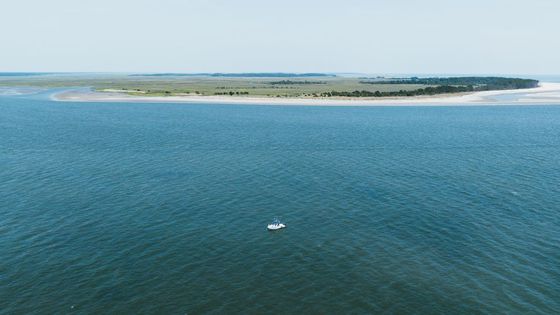
Calibogue Sound is the heart of Hilton Head Island boating. The sound sits between Hilton Head and Daufuskie Island and offers a mix of open water and protected channels. The Harbour Town Lighthouse is visible from the sound and makes a natural landmark for navigation. Dolphin sightings here are almost guaranteed in warmer months — the resident bottlenose population numbers in the hundreds and regularly feeds near the surface.
Daufuskie Island is the standout day-trip destination. There are no bridges to the island, so arriving by boat is the only option for most visitors. The island has a fascinating Gullah Geechee history, miles of undeveloped beach, and a pace of life that feels genuinely removed from the mainland. Anchor in the shallows, walk the beach, and look for whelks and sand dollars along the waterline.
Skull Creek runs along the northwest side of Hilton Head Island and separates it from Pinckney Island National Wildlife Refuge. The creek is calm, well-marked, and full of wading birds. It's an excellent route for first-time boaters who want protected water while still seeing serious wildlife.
Activities and wildlife: dolphins, fishing, shelling, and more
Dolphin watching and marine wildlife
Hilton Head Island has one of the most accessible wild dolphin populations on the East Coast. The resident bottlenose dolphins in Calibogue Sound and Skull Creek are accustomed to boat traffic and regularly approach vessels. The real spectacle is "strand feeding" — a behavior unique to this region where dolphins herd fish onto mudflats and beach themselves briefly to feed. Captains who know the tidal cycles can often time a trip to witness it.
Beyond dolphins, keep an eye out for:
- Brown pelicans diving for fish in the sound
- Loggerhead sea turtles (May–October, especially at dawn)
- Great blue herons and snowy egrets in the marsh edges
- Osprey nesting on channel markers and dock pilings
- White-tailed deer on the Daufuskie Island shoreline
Fishing opportunities
Inshore fishing around Hilton Head Island is genuinely excellent. The creeks, grass flats, and oyster beds hold redfish (red drum), speckled trout, flounder, and sheepshead year-round. Summer brings cobia and Spanish mackerel into the sound. A captained inshore fishing charter puts you with someone who fishes these waters daily and knows which structure is holding fish on a given tide.
If you prefer to fish on your own, a center console bareboat rental gives you the range to explore multiple spots. Bring a South Carolina fishing license — available through the SC Department of Natural Resources — and check current regulations before you go (SC DNR).
Island hopping and shelling
Daufuskie Island is the main destination for island hopping, but the sandbar at the mouth of Calibogue Sound also draws boats on calm days. Shelling is best on the undeveloped Daufuskie beaches facing the Atlantic — look for whelks, olive shells, and the occasional sand dollar. Low tide exposes the most beach, so time your arrival accordingly.
Sunset cruises and scenic routes
The sunset over Calibogue Sound, with the Harbour Town Lighthouse silhouetted against the sky, is one of those views that justifies the whole trip. Captained sunset cruises are popular for anniversaries, proposals, and group celebrations — most run 90 minutes to two hours and include time anchored in the sound during the golden hour. If you're on a bareboat, the same route is easy to replicate: head south out of Shelter Cove Marina or Skull Creek Marina toward the sound and anchor up before the light fades.
Boat types and rental costs in Hilton Head
| Boat type | Typical daily rate | Best for | Capacity |
|---|---|---|---|
| Pontoon boat | $400–650 | Families, casual cruising, swim stops | 8–12 people |
| Deck boat | $350–500 | Mixed activities, watersports, day trips | 6–10 people |
| Fishing boat (skiff) | $300–450 | Inshore fishing, shallow-water access | 2–4 people |
| Kayak / small powerboat | $80–150 | Solo or couples, marsh exploration, budget-friendly | 1–2 people |
Prices reflect bareboat day rates and vary by season — summer rates run roughly 20–30% higher than the off-season. Most operators on Hilton Head Island require a minimum rental of 4 hours. Fuel is typically extra and can add $40–100 to your bill depending on how far you range.
Pontoon boats are the most popular choice for groups and families. They're stable, spacious, and easy to handle in the calm waters of Broad Creek and Calibogue Sound. Center consoles are the go-to for fishing — they're fast enough to cover ground between spots and shallow-drafted enough to access the grass flats where redfish feed. If you're considering a yacht charter on Hilton Head Island, those bookings typically require advance planning and a longer minimum rental window.
How to book your Hilton Head boat rental
Booking a boat rental on Hilton Head Island through Getmyboat takes about ten minutes once you know what you want. Here's how to approach it:
- Decide on bareboat or captained. If you don't have a South Carolina Boater Education Card or equivalent, start with captained charters. If you're licensed and comfortable, browse the bareboat listings.
- Choose your dates and group size. Summer weekends book fast — search at least two to three weeks ahead for July and August. Spring and fall have more availability and often better wildlife conditions.
- Filter by boat type. Pontoons for families and groups; center consoles for fishing; yachts for special occasions. Each listing on Getmyboat shows capacity, included equipment, and what's extra.
- Read the reviews. Previous guests almost always mention whether the captain was knowledgeable, how the boat performed, and whether the listed price matched the final bill. Pay attention to recent reviews from the current season.
- Confirm what's included. Most rentals include life jackets and a safety briefing. Fishing gear, snorkel equipment, and fuel are often extra. Captained charters usually include the captain's local knowledge at no extra charge — that's the point.
- Book and pay through the platform. Getmyboat holds payment until after the trip, and every booking comes with customer support if something changes.
Boat rental in Hilton Head Island is genuinely accessible for first-timers — the waters are calm, the destinations are close, and the captained charter market is strong enough that you never have to feel underprepared. The hardest part is choosing between a morning dolphin tour and an afternoon on the fishing flats.
Frequently Asked Questions
How much does it cost to rent a boat in Hilton Head Island?
Bareboat rentals range from $300–650 per day depending on boat type, while captained charters run $500–900 per day. Summer rates are 20–30% higher than off-season. Most operators require a 4-hour minimum rental, and fuel typically adds $40–100 to your bill.
Do I need a captain's license to rent a boat in Hilton Head?
Yes, if you're renting a bareboat and were born after June 30, 1982, you need a South Carolina Boater Education Card to operate a motorized vessel. The free online course takes a few hours. For captained charters, no license is required from passengers — the captain handles all credentials.
What is the best time of year to rent a boat in Hilton Head?
Spring and fall offer the best balance of availability, lower rates, and superior wildlife viewing. Summer (June–August) books out weeks in advance with rates 20–30% higher. Dolphin sightings are nearly guaranteed in warmer months, while winter provides quieter waters for fishing.
What wildlife can I see while boating around Hilton Head Island?
Bottlenose dolphins are the main draw — strand feeding (where dolphins beach themselves to feed) is unique to this region and visible in warmer months. You'll also see brown pelicans, loggerhead sea turtles, great blue herons, osprey, and white-tailed deer on Daufuskie Island.






 4.9 out of 5! 500,000+ reviews