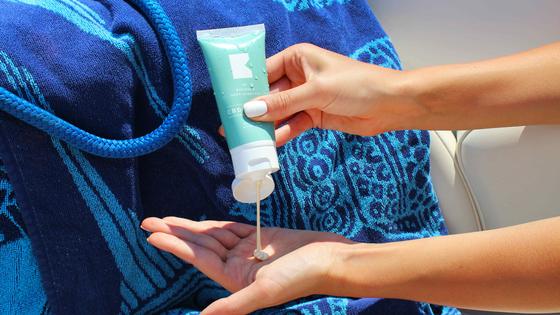
When boating on a hot day, it’s natural to want to jump in for a swim or snorkel — cooling off, spotting vibrant fish and corals, and taking a refreshing break from cruising. Most people remember to apply sunscreen before heading out and to reapply after swimming, but many don’t realize that not all sunscreens are created equal. The chemicals in some conventional formulas can be extremely harmful to coral reefs and marine life. That’s why it’s so important to choose reef-safe sunscreen — not just to protect your skin, but to help preserve the delicate ecosystems that make our oceans so extraordinary.
What Makes Sunscreen "Reef Safe"?
While there's no single global legal definition for “reef-safe” when it comes to sunscreen, typically it indicates that the product is a mineral-based sunscreen, using ingredients like non-nano zinc oxide and/or titanium dioxide instead of chemicals like oxybenzone or octinoxate. Chemical sunscreens are often damaging to coral reefs and other marine life, and can have a significant negative impact when used by large groups of people on popular beaches or snorkeling spots, like the Great Barrier Reef in Australia.
The 10 Best Reef-Safe Sunscreens
Raw Elements — Face & Body Mineral Sunscreen SPF 30
- Price: ≈ US $12–$20 (tube sizes vary).
- Why reef safe: 100% mineral formulation using zinc oxide; marketed as biodegradable and reef-friendly.
- Why buy: Excellent choice for frequent reefgoers — water-resistant, formulated with non-chemical actives and designed for minimal environmental impact.
Badger — Sport Mineral Sunscreens
- Price: travel sticks and small tubes commonly ~ US $8–$20 depending on format; face sticks often ≈ $11.99.
- Why reef safe: Mineral zinc oxide as the active ingredient; Badger flags “reef friendly” on mineral lines and is certified organic for many items.
- Why buy: Simple, organic ingredient lists and easy stick formats make Badger a practical on-boat option for faces, noses, and lips.
EltaMD — UV Physical / UV Pure
- Price: ≈ US $40–$60 (physician/derm-retail pricing typical).
- Why reef safe: 100% mineral (zinc oxide ± titanium dioxide), dermatologist-formulated with photo stable mineral filters.
- Why buy: Dermatologist-recommended, great for sensitive or acne-prone skin, and often has a nicer cosmetic finish (tinted option reduces white cast).

ThinkSport / ThinkBaby (Thinksun) — Clear Zinc SPF 50
- Price: ≈ US $15–$24 (small tube to family sizes).
- Why reef safe: Uses non-nano zinc oxide as the active filter and explicitly markets as “reef-safe / non-toxic.”
- Why buy: Clear zinc formulas that minimize white cast and are water-resistant — good for active days on the boat.
Blue Lizard — Sensitive Mineral Sunscreen
- Price: drugstore range — commonly ≈ US $10–$20 depending on size.
- Why reef safe: Mineral-only actives (zinc/titanium), marketed as free from oxybenzone/octinoxate and suitable for sensitive skin.
- Why buy: Affordable and dermatologist/pediatrician-favored for sensitive skin and kids.
All Good — Sport Mineral Sunscreen SPF 30 / SPF 50
- Price: ≈ US $12–$25 (size/format dependent).
- Why reef safe: Non-nano zinc oxide mineral formulas; marketed as biodegradable and reef-friendly (no oxybenzone/octinoxate).
- Why buy: Lightweight, sport-oriented formulas suitable for swimmers and anglers who need sweat/water resistance.
Sun Bum — Mineral SPF 50
- Price: ≈ US $15–$25 (common drugstore/retail pricing).
- Why reef safe: Mineral line uses zinc oxide and/or titanium dioxide and is formulated to comply with Hawaii reef-protection standards (Act 104) — brand labels “reef friendly” on mineral variants.
- Why buy: Widely available, affordable, and cosmetically friendly for everyday use and boat days.
MDSolarSciences —Mineral Crème SPF 50
- Price: ≈ US $22–$42 depending on product (sticks lower, full-size creams higher).
- Why reef safe: Mineral zinc oxide formulations; dermatologist-developed and often recommended in “best mineral sunscreen” roundups
- Why buy: High-SPF mineral options with cosmetic finishes that work under makeup, plus travel-friendly sticks for reapplication while boating.
COOLA — Mineral Face & Body
- Price: Face mineral products ≈ US $30–$60 (COOLA is positioned as a premium clean/organic brand). Example: C$55 listing for face SPF 30.
- Why reef safe: Mineral actives (zinc oxide/titanium dioxide) in many COOLA products; the brand labels several items reef-friendly/“reef safe.”
- Why buy: If you want a premium, skincare-forward sunscreen (antioxidants + lighter cosmetic feel) that’s also reef-minded.
Sea & Summit SPF 50 Mineral
- Price: budget to midrange — many retailers show small tubes ≈ US $10–$20.
- Why reef safe: Brand explicitly uses zinc oxide and positions its products as reef & river safe, vegan and free of oxybenzone/octinoxate.
- Why buy: Made with outdoor adventurers in mind (water/sweat resistant, clear rub-in formulas), good for multi-day boat trips.
Quick buying & use tips
Look for non-nano zinc oxide / titanium dioxide in the active ingredients and avoid oxybenzone, octinoxate and (where possible) octocrylene and certain PFAS that are now under scrutiny. Because “reef-safe” is not strictly regulated, ingredient lists matter more than marketing claims.
Choose water-resistant formulas (30–80 minutes water resistance) for boating and reapply after towable water sports, swimming, or heavy sweating. Sticks are great for reapplying to face/nose/ears without getting greasy.
Tinted mineral sunscreens or products with micronized “clear zinc” are easier cosmetically (less white cast) — good if you want face protection without the chalky look (EltaMD, MDSolarSciences, some COOLA options).
Buy sunscreen before you go boating — once you’re on the water you’ll sweat, swim, and be tempted to use whatever’s on the boat. Bringing a proven reef-safe product ensures you protect both your skin and the reef.
Why everyone should buy reef-safe sunscreen before boating
Protect coral ecosystems. Certain chemical filters (notably oxybenzone and octinoxate) have been implicated in coral bleaching and developmental damage to marine life. Using mineral sunscreens reduces the amount of harmful chemicals entering reef waters.
Legal and destination compliance. Places popular with boaters (Hawaii, parts of the Caribbean and Pacific islands, and many marine parks) have banned or restricted particular chemical filters — carrying reef-safe sunscreen avoids fines and helps you follow local rules. (Check local rules for your destination.)
Good for sensitive skin. Mineral sunscreens are often gentler and less irritating for many users (including kids), making them a practical choice for long boat days.
Small habit, big impact. A switch in your sunscreen is an easy, immediate conservation action: it reduces the chemical load entering shallow reefs where tourists swim and snorkel.
Short checklist before you head out on the boat
- Buy a broad-spectrum mineral sunscreen (non-nano zinc oxide ± titanium dioxide).
- Get at least one water-resistant formula and a face stick for easy reapplication.
- Pack enough for reapplication every 2 hours or after swimming — sunscreen use is the best defense against sunburn at sea.







 4.9 out of 5! 500,000+ reviews