Cookies & Agreements
By continuing to use this website, you have read and agree to the Terms of Use and agree to the collection and use of your information by cookies and similar technologies, as set forth in our Privacy Policy.

The Best Boat Rentals in Fiji
Browse, book, and get out onto the water with local captains and boat owners.


Suggested Searches
Types of Boats Popular in Fiji
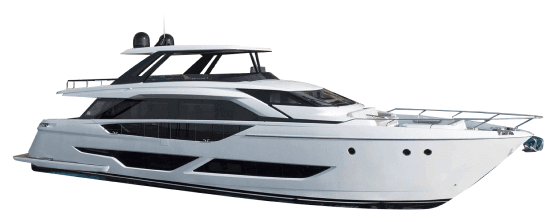
Yachts
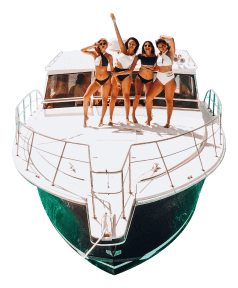
From mid-size to mega yachts, these luxury boats are great for groups and celebrations
$95-$1,295
Tours
Explore local waters with a boat rental dedicated to sightseeing and exploration
$40-$190
Fishing Boats
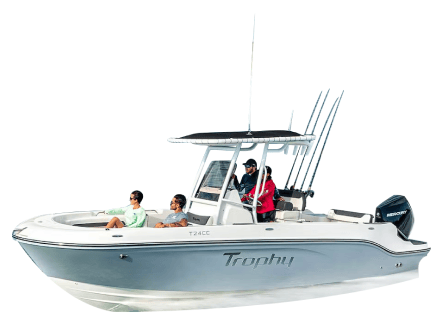
Boats outfitted for fishing, from small inshore angling boats to deep-sea yachts
$45-$1,240
Fishing Charters
Let a captain do the driving while you do the fishing
$50-$1,220
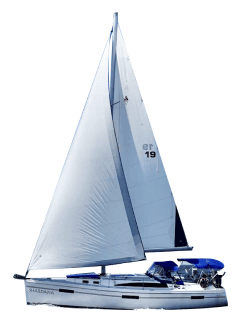
Sailboats
Set sail with these traditional wind-powered boats
$55-$1,325
Diving
Explore the ocean depths with trained boat operators
$65-$150
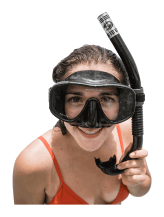
Snorkeling
Get off the boat and into the water with offshore snorkeling trips
$35-$165
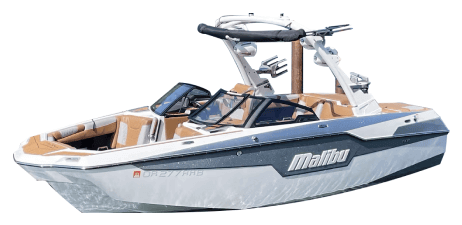
Wakeboarding Boats
A high-octane powerboat designed and outfitted for wakeboard towing
$25-$85
Whale Watching
See some of the ocean’s most incredible creatures with these eco tours
$190
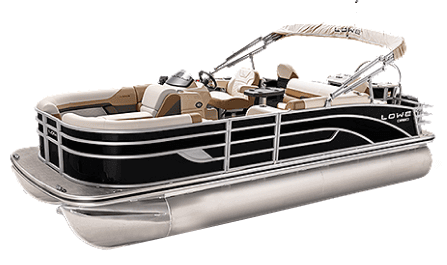
Pontoons
Perfect for casual cruising, sandbar stops, swimming, and parties
$125
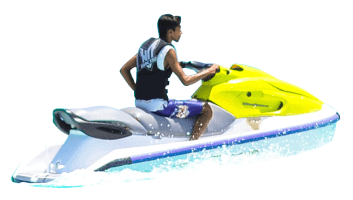
Jet Skis
Fast, fun, and easy to operate, these are a guaranteed good time on the water
$120
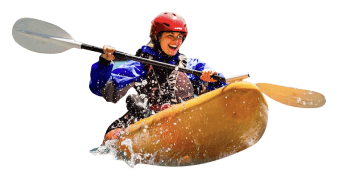
Kayaks
Who says you need a motor to have fun on the water?
$20-$160













Top Boat Rental Locations Near Fiji


Recent Reviews in Fiji
PN
Pamela
Sail, snorkel, swim, surf, explore our beautiful Mamanuca islands.
Coral Cats was amazing! We had a group of 13 adults and teenagers and we had tons of room on the boat. The crew was fantastic and so much fun! We had 10 days in Fiji and this was the best day of our trip. We will definitely book again with Andrew when we return.

Kas
Sail, snorkel, swim, surf, explore our beautiful Mamanuca islands.
100% recommend! Myself and my friends booked this charter for a 4 hour cruise. Andrew + there team had sailed us out to a swimming spot to swim then we caught the sunset on the way back to Port Denarau, it was the best day ever, we had so much fun and the boat crew were very accommodating to us! We BYO + brought our own food on board. They provided a speaker for us to play music. The charter was spacious & had bean bags on board, the charter was perfect for us (we had a group of 19 people). We’ll definitely be booking again. Vinaka Andrew + team.
AM
Alice
Sail, snorkel, swim, surf, explore our beautiful Mamanuca islands.
We had an exceptional day charter aboard Wanaka, despite wind picking up in the afternoon. Clear and prompt communication with the team re changing our day due to forecast. Aboard the boat the crew were friendly, relaxed and attentive, and great with our kids 1-8yo Spacious for 13 of us. Food was nice at our lunch stop. Less than ideal snorkeling conditions due to the weather but overall such a pleasant day. Would highly recommend!
GB
Gabriela
Sail, snorkel, swim, surf, explore our beautiful Mamanuca islands.
This trip was the best part of our trip to Fiji. Sam, Matt and Steve is the best crew ever!!! They were fun and made sure that we had a great time. They accommodate all our requests, always with a BIG smile. If you are planning to come to Fiji, don’t miss this experience. The boat is fantastic, big, comfortable and in perfect conditions! Thank you Sam, Mac&Cheese, for making this trip unforgettable!!!
PE
Phil
46' Monohull Sailing charters in Fiji for / Day / Night / Exclusive Trips!
Ron made our trip such an awesome experience. Went over and above ensuring we had a great time island hopping and experiencing cool places for snorkeling, beach walks and other activities. It was great to be taken to places which didn't have any people there at all. Swam with reef sharks and had an amazing time sailing and taking it easy when cruising around as well. Food was also very well prepared.
PH
Peter
46' Monohull Sailing charters in Fiji for / Day / Night / Exclusive Trips!
Tre trip with Ron was perfect. He took a really good care of us and showed us amazing places. The only thing is a little missleading price which was double of what was advertised. Otherwide everything was great and I would really recommend going with Ron who built the entire boat himself from scratch. Simply amazing.

Top Boat Rental Locations in Fiji
How To Book on Getmyboat

Browse
Find the right listing for you and your crew, with options for boat types, group size, captained or self-charter, and lots more.

Inquire & Book
Found one you like? Send a rental inquiry with your preferred trip details, and you’ll receive an offer from your captain to book.

Enjoy
Coordinate a pick-up place and time, meet your boat captain, and get out onto the water!



Dive into Our Journal

December 17, 2019
Boating & Travel Guide to the South Pacific - Getmyboat
Read Article

August 01, 2023
10 Boating Adventures of a Lifetime
Read Article

November 23, 2022
Eco-Friendly Tips for Boating Sustainably
Read Article

October 03, 2022
Getmyboat's Guides to the World of Boating
Read Article

April 14, 2022
The Best Meals & Snacks for a Boat Day
Read Article

December 11, 2020
Tips for Boating with your Dog - Getmyboat
Read Article
Frequently Asked Questions
How much does it cost to rent a boat in Fiji, and what’s usually included?
For most trip planners, small private speedboats with a captain in Fiji start around $100–$250 per hour, with half-day private charters typically running $400–$1,200 depending on boat size and inclusions. Full-day outings on larger motor cruisers or sailing catamarans commonly range from about $900 to $3,500, while premium yachts for bigger groups or special events can exceed $4,000 per day. Many charters include a licensed captain and crew, fuel for standard routes, safety gear, an esky/cooler with ice, bottled water, and snorkel equipment; full-day trips often add lunch and soft drinks, and fishing charters usually supply tackle and bait. Always check the listing for what’s included and any add-ons like hotel transfers, reef fees, or premium beverages.
What types of boats can I book for Fiji and which are best for my group?
In Fiji you’ll find fast center-console boats for quick island hops and snorkel stops, sportfishing boats geared for trolling and offshore action, sailing catamarans with shaded decks and stable rides for families, classic monohull sailboats for leisurely cruising, and motor yachts that add more indoor space and comfort. Couples often choose smaller speedboats or a compact sailing cat; families appreciate the stability and shade of a catamaran; and larger groups or celebrations tend to prefer motor yachts or roomy cats with plenty of seating.
Do I need a boating license to rent a boat in Fiji, or can I hire a captain?
Most visitors book captained charters in Fiji, which require no license—your professional skipper handles navigation, safety, and itinerary. If you’re seeking a self-operated (bareboat) sail or power rental, expect the operator to require proof of competence such as an International Certificate of Competence or similar qualifications (for example RYA/ASA) plus a detailed resume of recent experience on comparable vessels. If your experience doesn’t meet the bar, many companies can provide a skipper for part or all of your trip so you can still enjoy the same itinerary.
Where do most boat trips depart from in Fiji?
The busiest gateway is Port Denarau Marina near Nadi, with easy access to the Mamanuca and Yasawa Islands and convenient shops and restaurants right by the docks. Other common departure points include Vuda Marina between Nadi and Lautoka, the Royal Suva Yacht Club for trips in the capital area, and the Copra Shed Marina in Savusavu for sailing and cruising on Fiji’s northern side. Your captain can advise the best pickup based on sea conditions and your planned route.
What will we see from the water around Fiji?
Expect palm-fringed islands, sand cays, turquoise lagoons, and thriving coral reefs. Popular sights include the Mamanuca Islands’ shallow reef gardens and the uninhabited islets made famous by film shoots, plus the Yasawa chain with towering limestone formations and sea caves. On many trips you can spot sea turtles and dolphins year-round; manta rays are commonly seen near channels in the Yasawas during the cool, clear months, and sunsets over Nadi Bay are spectacular on the return leg.
Are children allowed on Fiji boat rentals, and what safety gear is provided?
Yes—kids are welcome on most private charters, and operators provide life jackets sized for adults and children along with a pre-departure safety briefing. Tell the captain your group’s ages and any non-swimmers so they can set aside correctly sized jackets and adjust the itinerary to calmer, kid-friendly reef sites. Many family boats have shaded seating, a freshwater rinse, and easy swim ladders; you’ll want to pack reef-safe sunscreen, hats, and snacks your crew enjoys.
Can we bring our own food and drinks on a boat day in Fiji?
Most private charters in Fiji are BYO-friendly for snacks and beverages, and many include coolers with ice. Full-day and fishing trips often provide lunch and soft drinks, and some boats can arrange onboard barbecues or catered platters with advance notice. For everyone’s safety, glass is sometimes restricted; if you’re planning bubbly or specialty items, confirm packaging and any corkage or service fees with the captain when you book.
Can I bring a dog on a private boat in Fiji?
Pet policies vary by vessel. Because Fiji has strict biosecurity rules and many charters stop at beaches or marine parks, some operators do not allow pets. A few private boats may approve small, well-behaved dogs on a case-by-case basis. If pets are permitted, plan to bring a leash, a pet life jacket, and a towel, and let the captain know your plans before you confirm so they can advise on suitable stops.
How does weather affect boat tours in Fiji, and what happens if the forecast turns bad?
Fiji’s dry season runs roughly May through October with cooler, clearer conditions, while November through April is wetter and also considered cyclone season. Captains monitor wind, swell, and visibility closely and will adjust routes for comfort—mornings are usually calmer. If the captain deems conditions unsafe, trips are generally rescheduled or refunded per the operator’s policy. To keep your plans flexible, consider building a backup day into your itinerary during the wet season.
What’s the best time to rent a boat for Fiji, and is it smarter to go on weekdays or weekends?
Peak boating season is May to October for dry weather and great underwater visibility; July to September is especially clear and is prime time for manta ray encounters in select channels. The U.S. holidays of Memorial Day, July 4th, and Labor Day fall within this window and can increase demand from American travelers, so book early if your trip overlaps those dates. A standout local event is Fiji Regatta Week at Musket Cove in mid-September, which brings extra buzz to the islands. Weekdays are typically less busy at popular snorkel spots and floating venues, and morning departures tend to be smoother and clearer than late afternoons.
Are captained trips or self-operated charters better for exploring around Fiji?
For most groups, a captained charter is the easiest, most relaxing way to see Fiji. Skippers know the reef passes, tide timings, and the day’s best lee shores for calm snorkeling. Experienced sailors who want maximum independence can request bareboat options, but you’ll need to show recent, relevant experience and may still opt for a skipper on day one to fast-track local knowledge. If you’re celebrating or hosting a mixed-ability group, captained trips keep everyone focused on the fun while the crew handles the details.
Can I book a boat in Fiji for birthdays, bachelorettes, or other group events?
Absolutely. Many boats in Fiji are set up for special occasions with shaded deck space, Bluetooth sound, coolers, and flexible island-hop routes for swimming, snorkeling, and sandbar photo stops. Tell the captain your headcount, must-play music, and any decoration or catering needs when you inquire. For popular weekends in the dry season, reserve a few weeks in advance so you can lock the right boat size and the ideal departure time.
What are the most common routes and day-trip lengths from Fiji’s main marinas?
From Port Denarau or Vuda Marina, classic half-day trips focus on nearby Mamanuca reef sites and beach stops, while full days reach farther islets with multiple snorkel sessions and a leisurely lunch at anchor. Suva-based outings often explore sheltered bays and south-coast reefs, and Savusavu departures offer calm cruising inside the bay with options to sail along Vanua Levu’s lush coastline. Plan on four hours for a relaxed half day and six to eight hours for an island-hopping full day; your captain will fine-tune the plan to the day’s wind and tide.
Is there a unique, only-in-Fiji excursion we should consider?
If your dates align with the cooler months, ask about manta ray snorkeling in channels known for seasonal sightings, typically May through October. Adventurous travelers can also plan an extended day to the limestone sea caves in the northern Yasawas or add a stop at a mid-ocean floating platform near the Mamanucas for pizza, swims, and sun. These experiences are weather-dependent and can book out in peak months, so inquire early and keep a flexible window.
Real reviews from happy Getmyboaters.
4.9 out of 5! 500,000+ reviews